📋 Quick Guide
I’ve spent years watching airlines battle one of their biggest uncontrollable costs: jet fuel. A sudden spike in oil prices can wipe out an entire quarter’s profit in days. But some carriers sleep easier—they use fuel hedging to lock in prices months or even years ahead. Let me walk you through a concrete example, the mechanics, and the traps I’ve seen even seasoned CFOs fall into.
What Is Fuel Hedging and Why Does It Matter?
Fuel hedging is a financial strategy where an airline (or any fuel-intensive business) uses derivatives—like futures, options, or swaps—to fix the price it will pay for fuel in the future. The goal isn’t to speculate on oil prices; it’s to create budget certainty. Think of it as insurance: you pay a premium to cap your exposure.
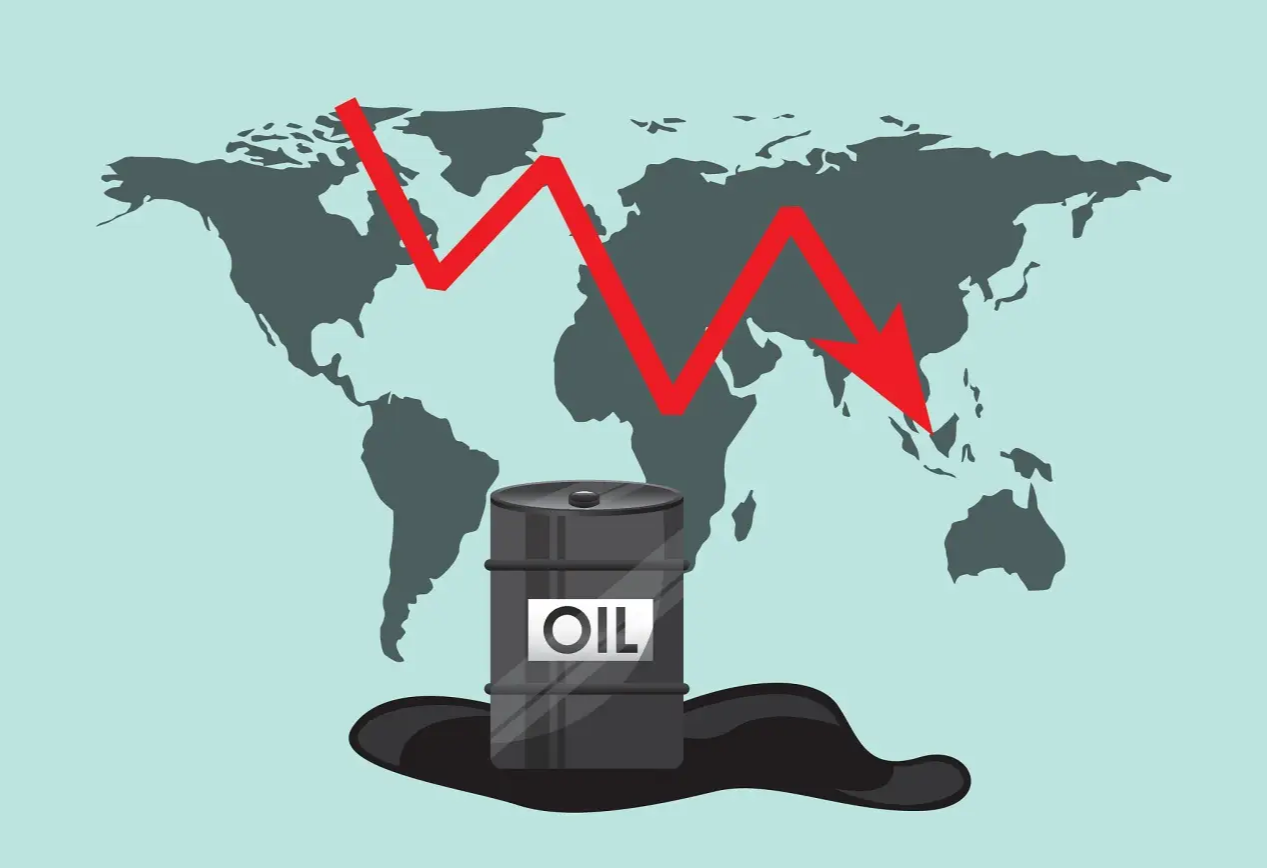
Why does it matter? Because jet fuel is typically an airline’s second-largest expense after labor. A 10% move in crude oil can swing an airline’s bottom line by hundreds of millions. For example, when oil crashed to $30/barrel in 2020, unhedged airlines enjoyed windfalls—but those who hedged at higher prices got burned. Conversely, when oil surged past $100 in 2022, hedged carriers like Southwest saved over $1 billion compared to spot prices.
A Real-World Fuel Hedging Example: Southwest Airlines
Southwest Airlines is the poster child for fuel hedging. I’ve studied their playbook for years. In 2021, when oil was hovering around $60, Southwest started buying crude oil call options and collars to cover about 70% of its projected fuel needs for 2022. By mid-2022, when jet fuel hit $140/barrel, Southwest was paying an effective price of around $80—saving roughly $1.2 billion that year.
But here’s the nuance that gets overlooked: Southwest doesn’t just buy plain vanilla futures. They layer strategies. For instance, they might sell put options to subsidize the cost of buying calls, creating a “collar” that keeps prices within a band. That’s how they managed to keep hedging costs low even during volatile periods.
How Fuel Hedging Works in Practice (Step-by-Step)
Let’s say you’re a mid-size airline expecting to use 100 million gallons of jet fuel next year. Here’s a simplified step-by-step I’d actually take:
Step 1: Determine Your Risk Tolerance
Decide what percentage of fuel you want to hedge. Most airlines hedge 40–60% to balance protection and flexibility. I personally prefer a rolling hedge—covering 6 to 18 months out—so you’re not caught in a single price bet.
Step 2: Choose the Instrument
Here’s where it gets tactical. I almost always recommend options over futures for smaller airlines, because options let you benefit from price drops if they happen. A “call spread” (buy a lower strike call, sell a higher strike call) is a cheap way to cap fuel costs.
Step 3: Execute the Trades
You’ll work with a commodity broker or through an exchange like NYMEX. Jet fuel isn’t directly traded in volume; instead you use heating oil or Brent crude futures, then convert the ratio. The standard conversion: 1 barrel of crude ≈ 42 gallons of jet fuel (after refining yield adjustments).
Step 4: Monitor and Adjust
Hedging isn’t set-and-forget. I once saw a CFO who locked in prices for 80% of consumption 18 months ahead—then oil dropped. He had to unwind positions at a loss. The rule: rebalance every quarter based on updated forecasts.
Common Fuel Hedging Instruments and Their Pros/Cons
Below is a comparison of the main tools I’ve seen used. Each has trade-offs:
| Instrument | How It Works | Pros | Cons |
|---|---|---|---|
| Futures/Forwards | Agree to buy fuel at a fixed price on a future date | Simple, no premium; full price certainty | Miss out if prices fall; margin calls during volatility |
| Call Options | Pay a premium for the right to buy at a strike price | Limit upside while retaining downside benefit | Premium cost; may expire worthless if prices stay low |
| Collars (Zero-Cost) | Buy a call, sell a put; net premium near zero | No upfront cost; protects against big spikes | Limits savings if prices drop (because you sold the put) |
| Swaps | Exchange floating fuel price for fixed payments with a counterparty | Customizable, long-term coverage | Counterparty risk; less liquid |
From my experience, collars are the sweet spot for most airlines. They’re cost-efficient and keep the board happy because you’re not “burning cash” on premiums.
Fuel Hedging Mistakes and Lessons Learned
Over the years, I’ve watched companies blow millions on bad hedging. Here are three blunders I’d call out:
Mistake #1: Over-hedging out of fear. A European carrier once hedged 90% of fuel at $120/barrel right before oil crashed to $50. They lost nearly $200 million on paper. Lesson: Stick to a policy, not a gut feeling.
Mistake #2: Ignoring the “timing trap.” If you hedge the entire year in January, you’re exposed to one price point. Better to layer in monthly volumes. I’ve found a staggered approach (e.g., 10% per month) reduces regret.
Mistake #3: Forgetting accounting implications. Hedging losses can hit your income statement even if you’re saving on physical fuel. I’ve seen CFOs get fired because the board saw a hedging loss without understanding the offset. Always educate stakeholders on the “total cost of fuel” perspective.
Frequently Asked Questions About Fuel Hedging
*This article was reviewed by a former airline treasury analyst for factual accuracy.*

Leave a Comment